
The South Wales Three Peaks Trial is one of the best organised walking challenges around Abergavenny. I have taken part every year for the last five years, completing both the Gold and Platinum challenges, so this guide is based on repeated firsthand experience rather than a route I have walked only once.
This page explains the four challenge options, what Gold and Platinum genuinely feel like, how I train, what I carry and what happens on the day. It also keeps my photo-led account of completing the Gold challenge in 2023.
Important: Welsh Man Walking is not the organiser. Routes and access can change because of weather, flooding, landslips, land access or operational decisions. Always use the organiser’s latest instructions, route information and checkpoint details rather than an old GPX file or somebody else’s previous route.
South Wales Three Peaks Trial at a glance
| What it is | An organised challenge walk in and around Abergavenny and the Black Mountains |
|---|---|
| Challenge choices | Platinum, Gold, Silver and Bronze |
| My experience | Five consecutive years; Gold and Platinum both completed |
| My typical finish time | Approximately 7½–8½ hours, depending on the route, conditions and the day |
| Main demands | Repeated steep climbs, long linking sections, changeable mountain weather and sustained time on your feet |
| Navigation | Follow the current official event instructions and checkpoint requirements |
| Best for | Walkers who have built hill fitness and want a properly demanding organised challenge |
| Current details | Official South Wales Three Peaks Trial website |
Which challenge should you choose?
The event offers Platinum, Gold, Silver and Bronze options. They are not simply four labels for the same day: the length, climbing, start arrangements and overall demands differ. Check the official website before entering because the organiser’s current details take priority over anything recorded from a previous year.
| Challenge | How I would approach it |
|---|---|
| Platinum | The biggest mountain challenge. Choose it only if repeated hard climbs and a long day already form part of your walking experience. |
| Gold | A serious endurance challenge over the three Abergavenny mountains. It still demands strong hill fitness, pacing and preparation. |
| Silver | A step down from Gold, but still something to train for rather than treating as an ordinary weekend stroll. |
| Bronze | The most accessible entry point for walkers building towards the longer challenges. Check the current official requirements before deciding it is right for you. |
If you are unsure, be honest about the amount of ascent you regularly complete—not just your usual mileage. I recommend this event to walkers who are steadily building their experience, have trained properly and want a memorable next challenge.
Gold versus Platinum: my firsthand comparison
| Gold | Platinum | |
|---|---|---|
| My experience | Completed | Completed |
| My typical time | Roughly 7½–8½ hours on each, depending on conditions and pacing | |
| Hardest climbs | Blorenge straight up the middle, the long sustained climb towards Sugar Loaf and the short, very steep final effort on the Skirrid | Bal Mawr, the sweeping climb to Pen Cerrig Calch and the later climb to Sugar Loaf |
| What catches people out | The cumulative effect of three very different climbs with long walking sections between them | The scale of the repeated climbing and the need to keep enough energy for Sugar Loaf |
| My verdict | A major challenge that should never be underestimated | The tougher mountain day and one to attempt only after serious preparation |
Watch my Platinum challenge
I do not yet have a separate Platinum article, but I filmed the day. The video gives you a much better feel for the terrain, effort and atmosphere than a static route line ever could.
How hard is the South Wales Three Peaks Trial?
Both Gold and Platinum are hard. The difficulty is not just one steep section; it is climbing hard, recovering while still moving, walking a long linking section and then climbing again. Conditions can make the same challenge feel completely different from one year to the next.
On Gold, the direct climb up the middle of the Blorenge is extremely demanding. The Sugar Loaf approach feels long and sustained, while the Skirrid delivers a short, steep climb when tired legs would prefer the day to be over. On Platinum, the big climb from Bal Mawr towards Pen Cerrig Calch is a standout test, and you must still preserve enough energy to climb Sugar Loaf later.
How I train for it
The best preparation is not a flat long walk. I train by getting into the Bannau Brycheiniog (Brecon Beacons) regularly and deliberately including the climbs. Build towards days containing multiple hills with longer walking sections between them. Do not skirt every steep ascent during training and then expect three major climbs to feel comfortable on event day.
- Build distance gradually rather than making one sudden jump.
- Train on consecutive climbs, not just a single summit.
- Spend enough time on your feet to test footwear, socks and food.
- Practise eating and drinking while moving.
- Include wet, windy and muddy training days when it is safe to do so.
- Reduce the workload before the event so that you arrive rested.
What I wear and carry
- Walking boots and good socks: already tested over long, hilly days.
- Waterproof jacket and trousers: Welsh mountain weather can change quickly.
- Layers: enough flexibility for cold summits, warmer valleys and changing effort.
- Gloves: small and easy to carry, but valuable in wind and cold.
- Different hats: something suitable for sun as well as wind and cold.
- Food: enough to eat something approximately every hour.
- Fluids and electrolytes: carried and used from early in the day.
- Charged phone and power: plus anything required by the current organiser.
Pacing, food and hydration
Do not wait until you feel exhausted or hungry. I aim to eat something every hour and drink regularly, including electrolytes. Start at a pace you believe you could maintain for the whole day. Charging up the first climb can feel brilliant for an hour and make the final mountain miserable.
What the event day is like
One reason I keep returning is that the event works. Registration, checkpoints, refreshments, marshals and the finish give the day a proper organised-challenge atmosphere. The people supporting it make an enormous difference when you are tired, and reaching the finish after completing Gold or Platinum feels like a genuine achievement.
That support does not remove personal responsibility. Read the latest participant information, follow official instructions, carry the required equipment and be prepared to adapt if conditions or access force changes.
My 2023 Gold challenge: Blorenge, Sugar Loaf and Skirrid
The rest of this section is my photo-led account of completing the Gold challenge in 2023. It shows what that particular day felt like, but it is not a current official route description. Do not use it instead of the organiser’s latest route and checkpoint information.
The Blorenge: a brutal opening climb
After leaving Abergavenny, we made our way towards Llanfoist and the foot of the Blorenge. The wooded lower climb was muddy and awkward, but it was only the introduction. Once the trees gave way to open mountain, the direct ascent became extremely steep. There were places where hands helped, feet slipped and the wind became more noticeable with every metre gained.
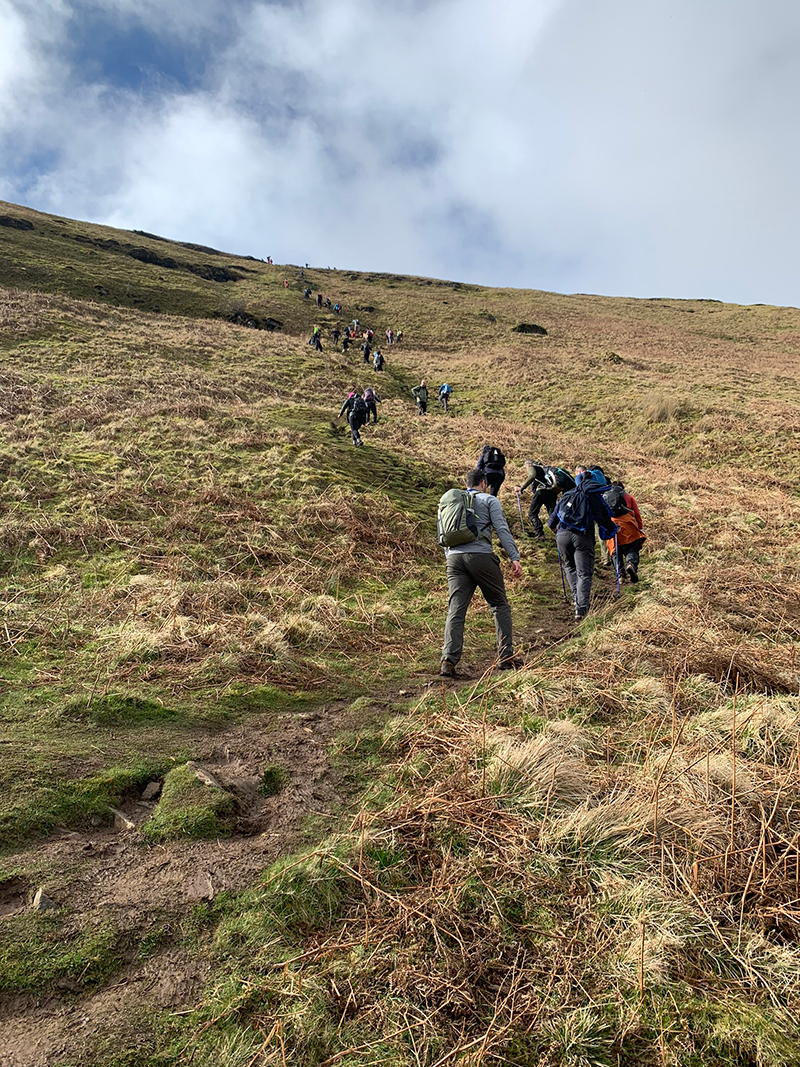
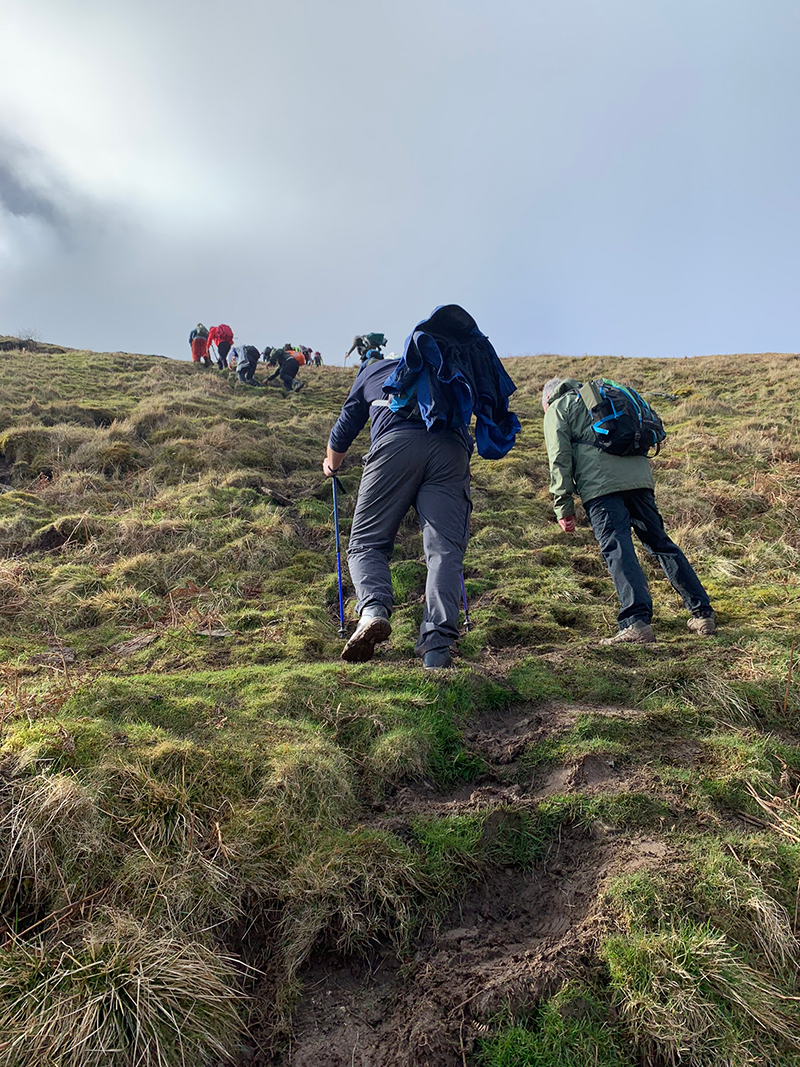
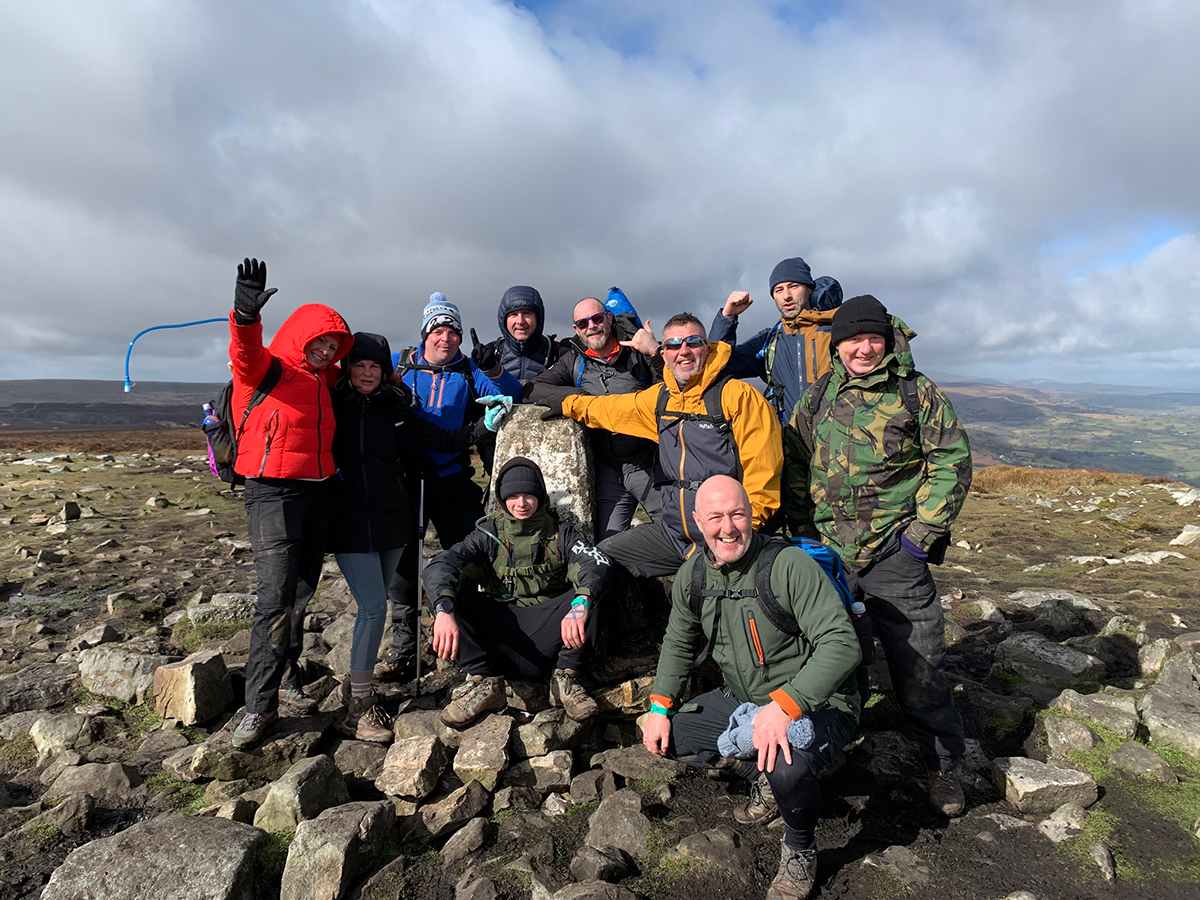
Reaching the top brought superb views across Abergavenny and towards the Black Mountains. It also gave us the first proper look at the other mountains still waiting. That is the character of Gold: every summit is a success, but never the end of the job.
The long link to Sugar Loaf
After descending the Blorenge, our 2023 route passed through the Govilon area and included a welcome stretch beside the canal. The flatter miles helped the legs recover, although the next sustained climb was always waiting ahead.
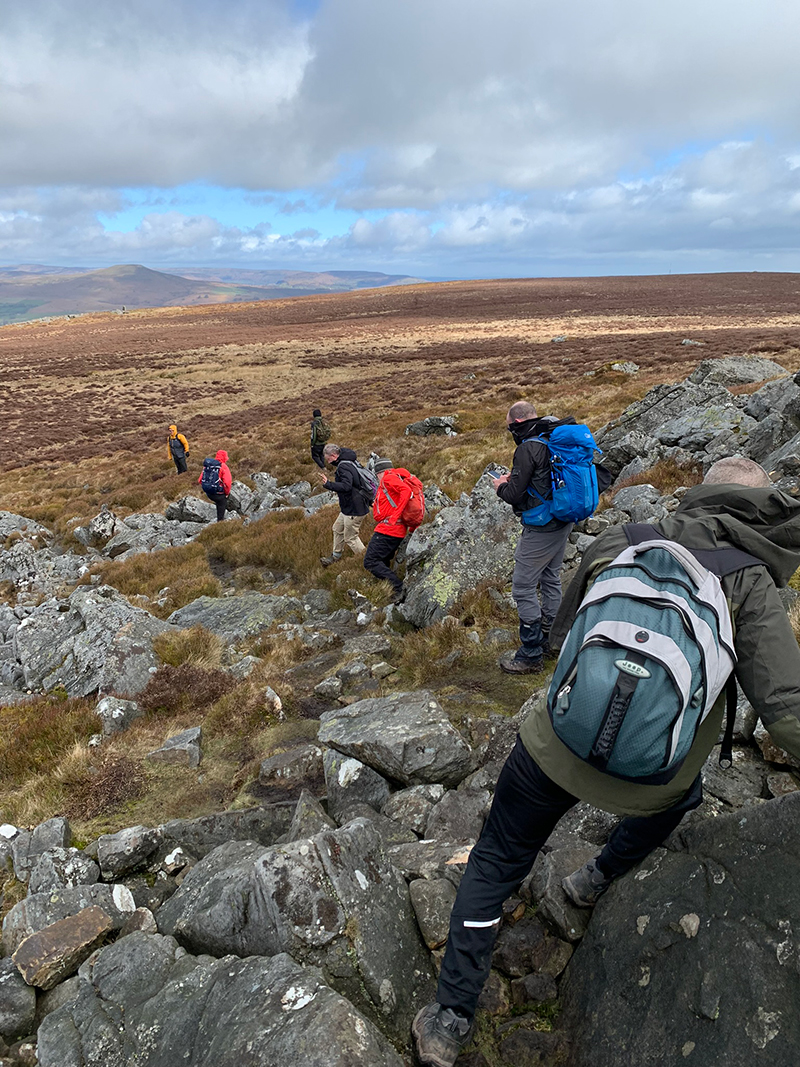
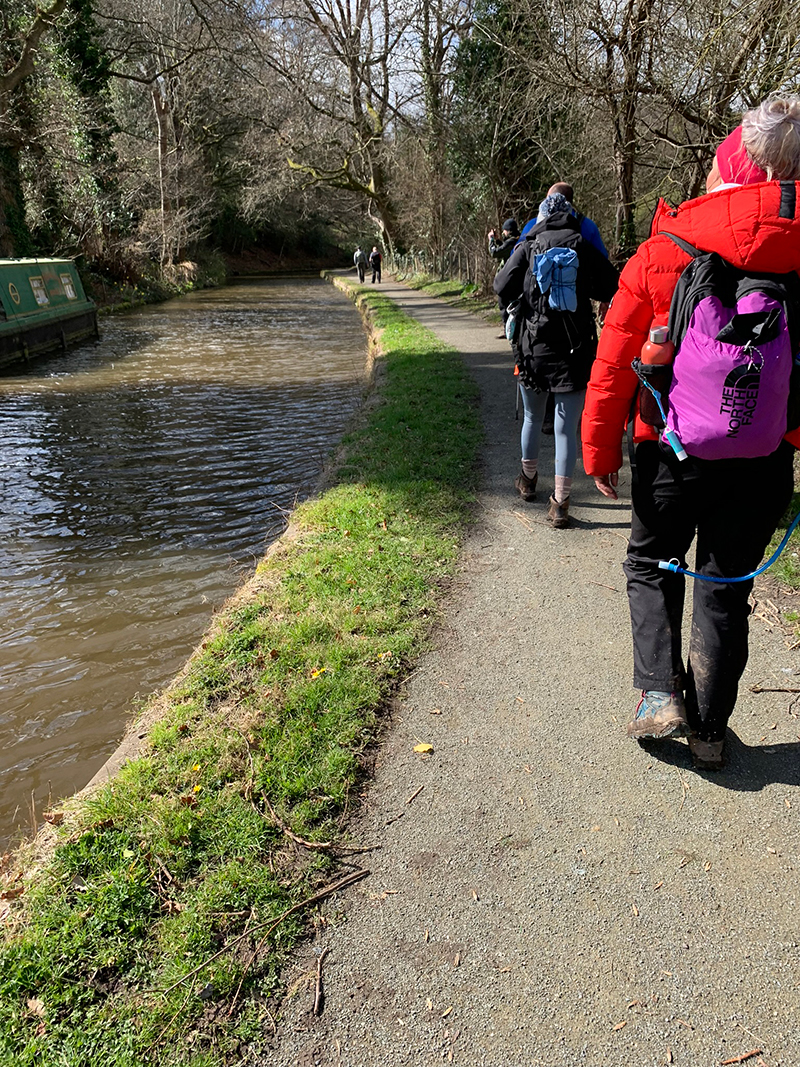
The approach to Sugar Loaf involved a long, steady gain through lanes and farmland before the final mountain ascent. This is where pacing and regular food matter. The walking between peaks may look less dramatic in photographs, but it is where hours accumulate and energy quietly disappears.
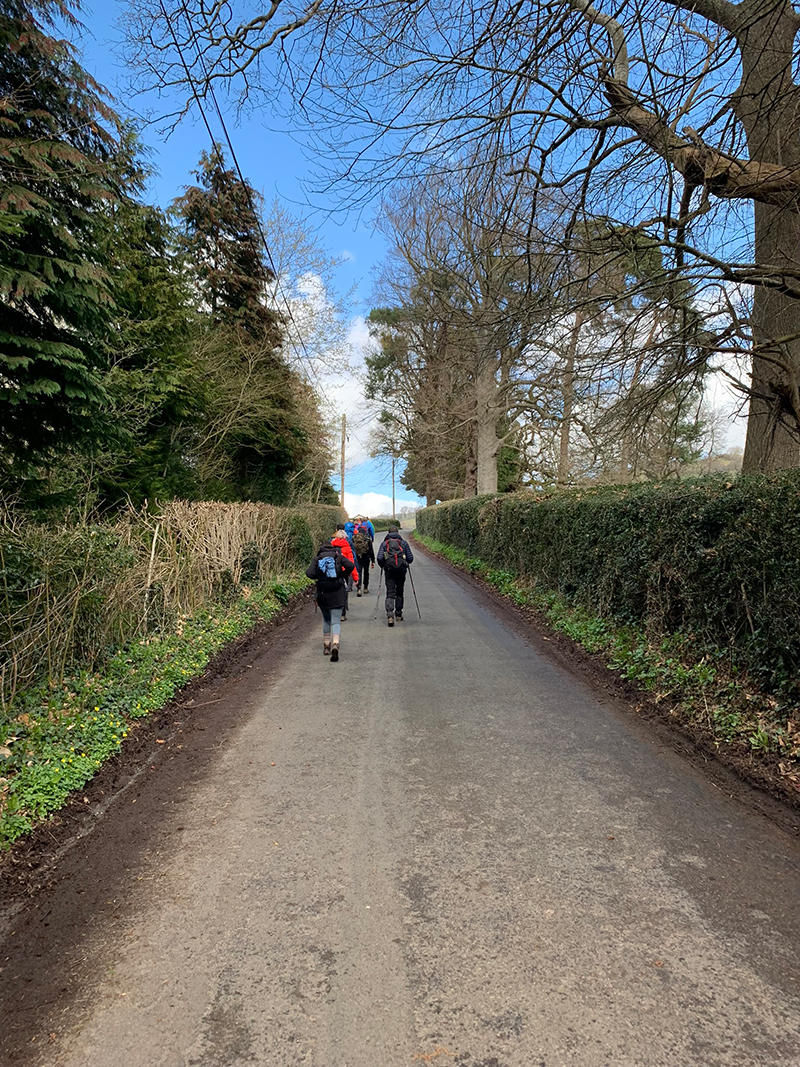
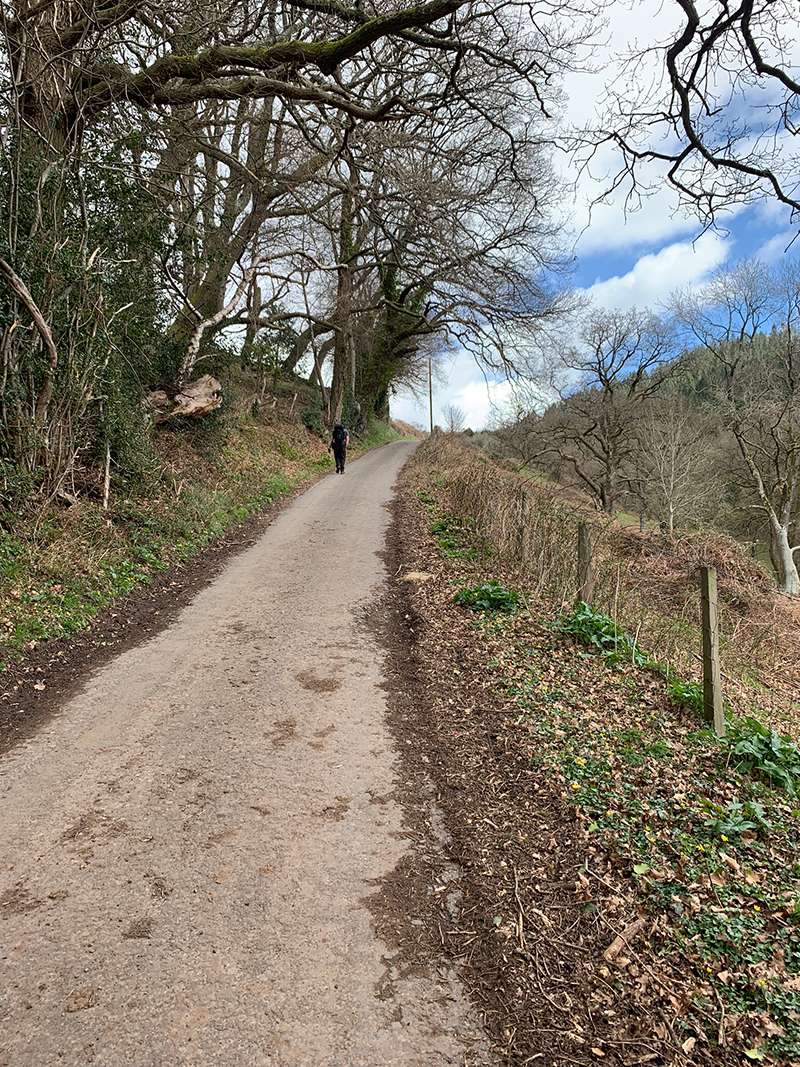
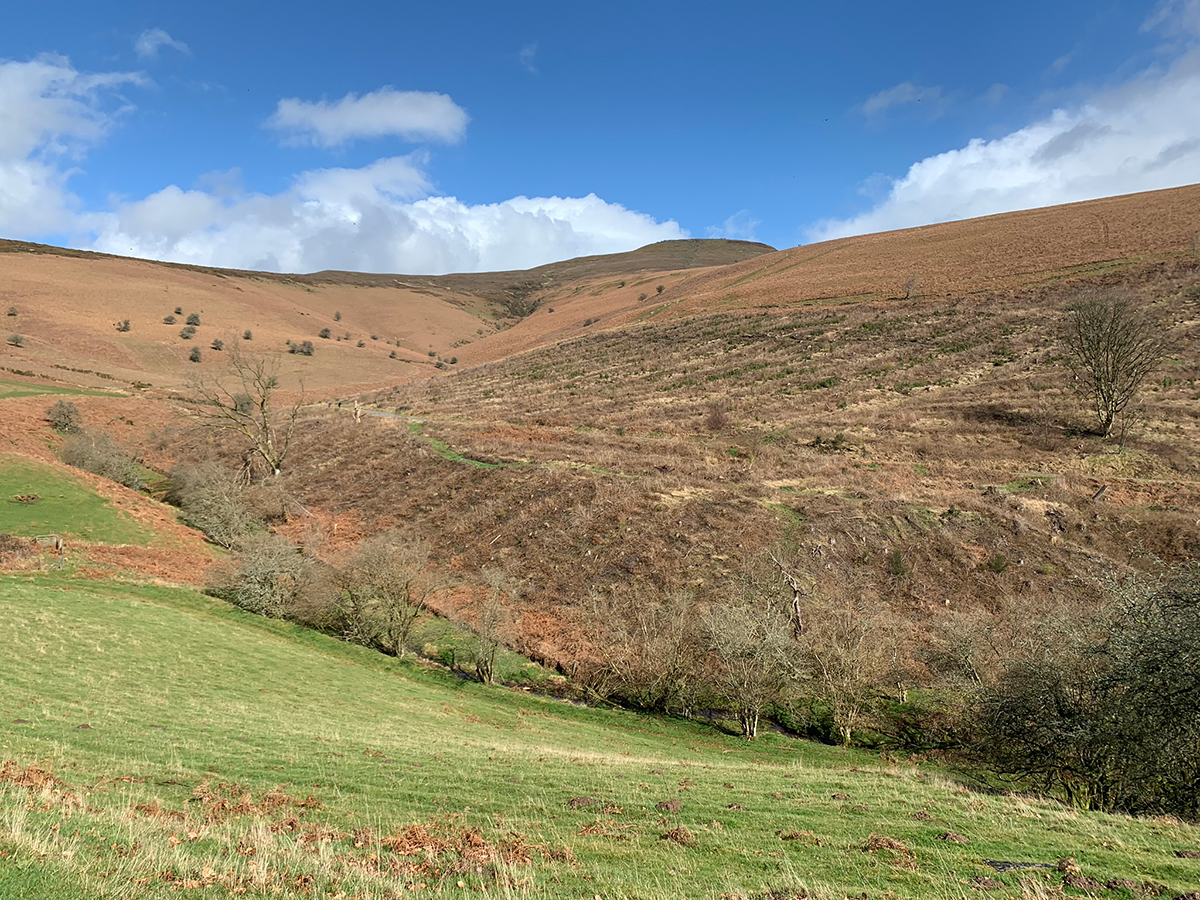
At the top we met members of Longtown Mountain Rescue Team. Their encouragement was hugely appreciated. With the second peak completed, the Skirrid remained—and by then the miles already walked made every new climb feel steeper.
The Skirrid: the final test
The link towards the final mountain felt long. We crossed more farmland and lanes before beginning the last ascent. The Skirrid climb is shorter than some earlier efforts, but it arrives when fatigue has built and it is extremely steep. That timing makes it a serious test rather than a formality.
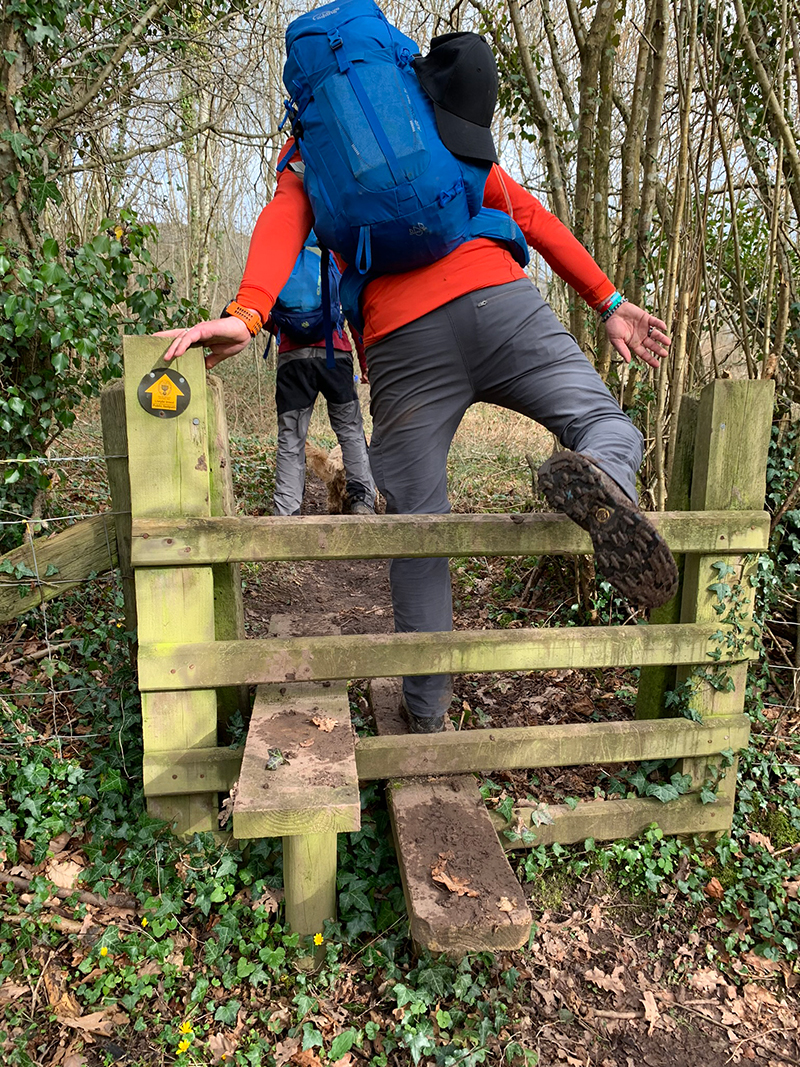
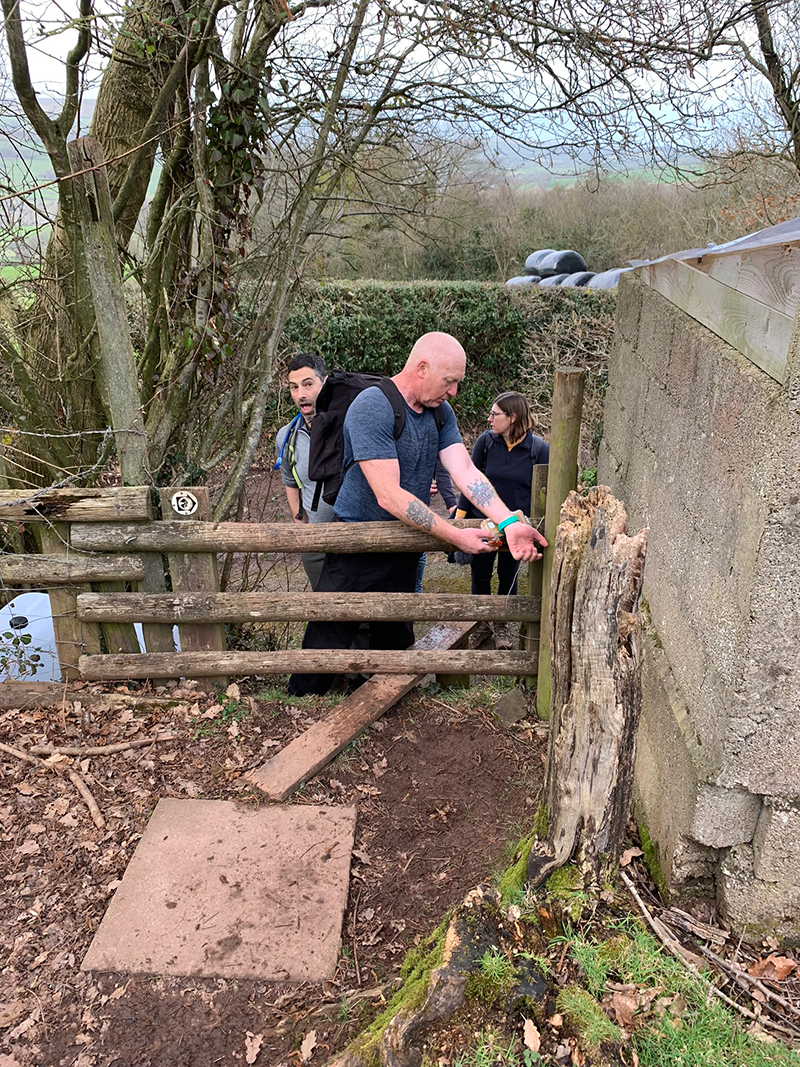
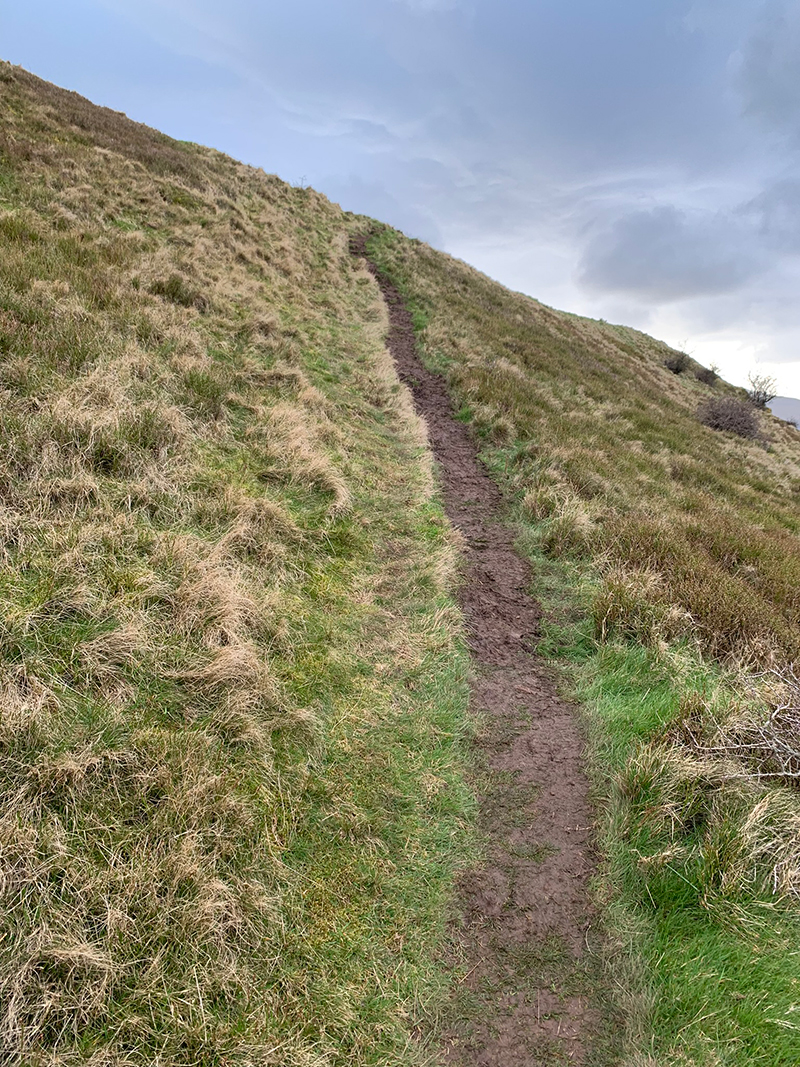
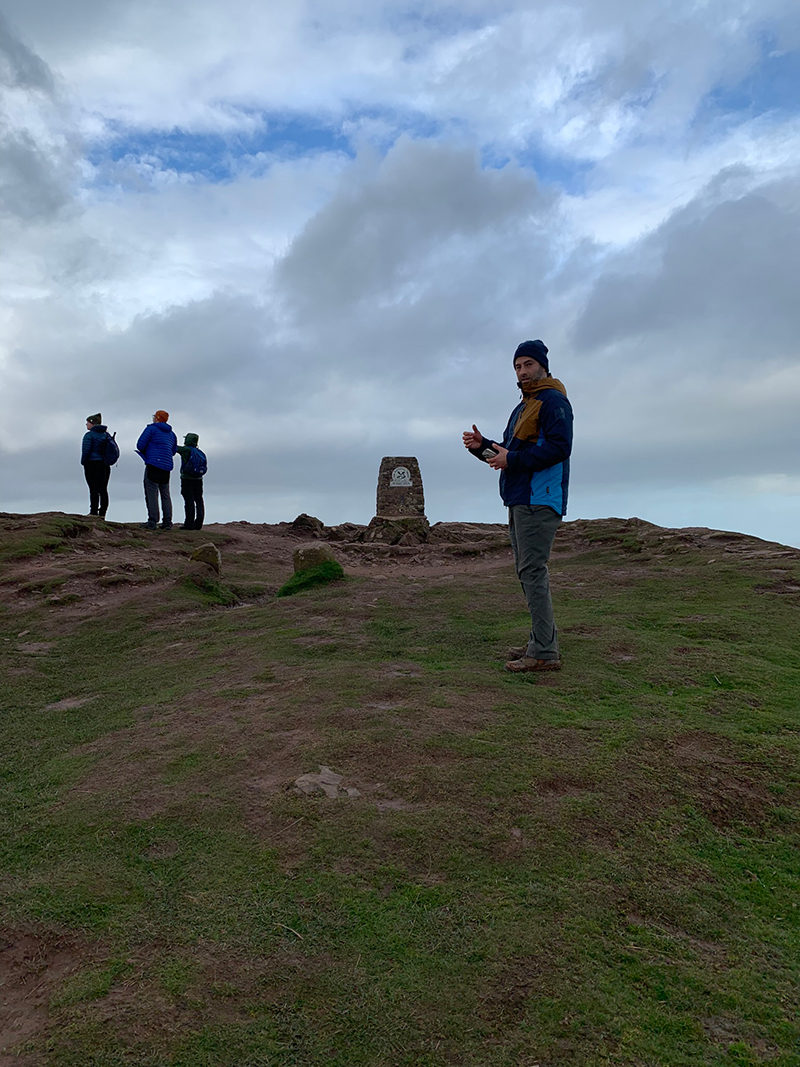
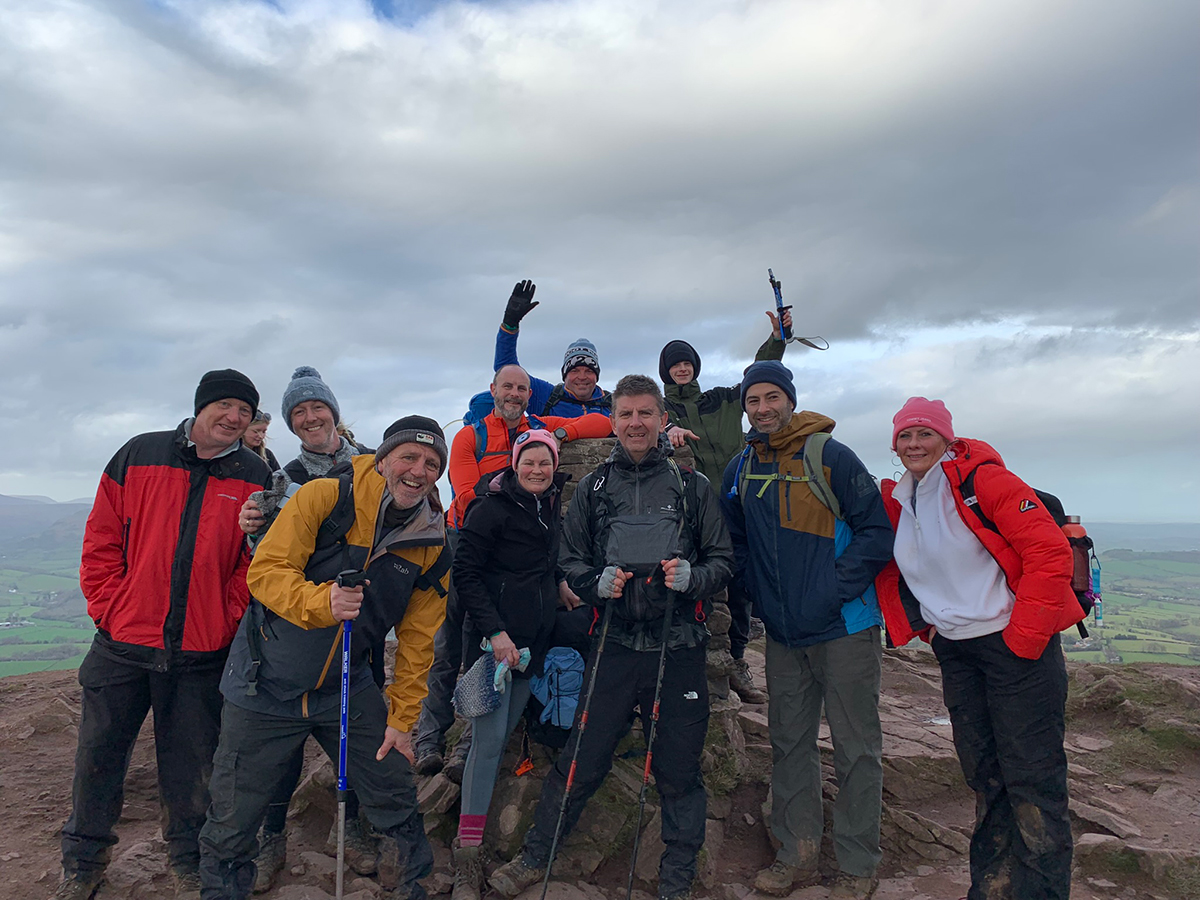
Standing together on the final summit and looking back over the ground already covered was a brilliant feeling. From there we still had to descend and return to the finish in Abergavenny, but the three mountains were done.
Walk the three mountains separately
If you are training for Gold, learning each mountain on a separate day is a useful start. My individual guides give you a better feel for the terrain before you begin combining longer distances and repeated climbs:
My verdict
I keep returning because this is a proper challenge with a great atmosphere. Gold and Platinum are hard in different ways, but both reward good preparation, sensible pacing and the determination to keep going when the final climb arrives. If you have built your experience and want a day that feels like a genuine achievement, I strongly recommend it.