

Region: Kōyasan Choishi-michi – from Kudoyama Station (Jison-in) to Kōyasan, Japan
Places To Stay: Start at Kudoyama Station near Jison-in with handy station-side stays, then finish on the sacred plateau of Kōyasan with atmospheric shukubō (temple lodgings). Expect quiet country homes at the trailhead and traditional tatami rooms with vegetarian shōjin ryōri and morning services at the top.
The Kōyasan Chōishi-michi is the classic pilgrimage approach to sacred Mount Kōya. Beginning at Kudoyama Station, the route passes through Jison-in before climbing into the mountains, following a remarkable line of five-tiered stone chōishi markers towards Kōyasan. The markers stand roughly 109 metres apart, creating a centuries-old thread through cedar and cypress forests, mountain passes and places of worship.
The complete route to Danjō Garan is approximately 21 kilometres, with around 1,180 metres of ascent, making this a substantial full-day walk rather than an easy temple stroll. Along the way you pass historic shrines, the twin Futatsu-torii gates, the welcome rest point at Yatate and places associated with Kūkai, the founder of Shingon Buddhism. The appearance of Kōyasan’s enormous vermilion Daimon Gate near the end provides an unforgettable arrival after hours on the trail.
Looking for more trails in Japan? Visit my Japan Hiking Trails page.
Below are 3 ideas for trips, and day tours in Kōyasan. GetYourGuide offer great discounts and availability + Much more!
For a wider choice of accommodation in the Kudoyama, Booking.com has a huge variety to browse through.
Flying in? Quick Skyscanner Checker
Nearest major airports: Kansai (Osaka) for Kudoyama/Kōyasan access.
Getting There: Directions, GPX and App Link
- Start/Finish: Start at Jison-in (Kudoyama Station) and finish near Daimon Gate / Danjō Garan in Kōyasan.
- Transport: Nankai lines from Osaka → Kudoyama Station.
- GPX: Download the GPX file here
- You can follow this route on my Outdooractive and Komoot profiles.
Hike Profile
- Distance: ~21 km (Kudoyama → Kōyasan)
- Duration: 8–11 hours
- Ascent: ~1,000–1,200 m total
- Difficulty: Moderate–challenging (sustained climb, long day)
- Terrain: Forest paths, stone steps, rural lanes, shrine precincts
Stages & Distances (Typical Day Walk)
| Stage | From → To | Distance | Ascent | Notes |
|---|---|---|---|---|
| Full Day | Kudoyama (Jison-in) → Kōyasan (Daimon Gate) | 21 km | ↑ sustained | Follow stone choishi markers; classic pilgrim climb |
| Optional Split | Kudoyama → Kōyashita / Kami-Kōsawa (partial) | 10–14 km | ↑ steady | Break the ascent with a local train back to Kudoyama; finish next day |

Get a JR Rail Pass if you’re planning to roam widely. 7–21 day passes give ‘unlimited’ rides on most JR lines, including shinkansen.

Sim Local can reduce or even eliminate your roaming fees. Click www.simlocal.com/ + 10% Discount Using – ‘WELSHMAN’
Hike Description
The walk begins at Kudoyama Station, where the streets and railway make the start feel very different from the quiet mountain trail that follows. From the station, walk through Kudoyama to Jison-in, approximately 1.7 kilometres away. This temple is an important part of the pilgrimage story and was historically known as the “Women’s Kōya”, welcoming female worshippers when women were prohibited from entering Kōyasan itself.
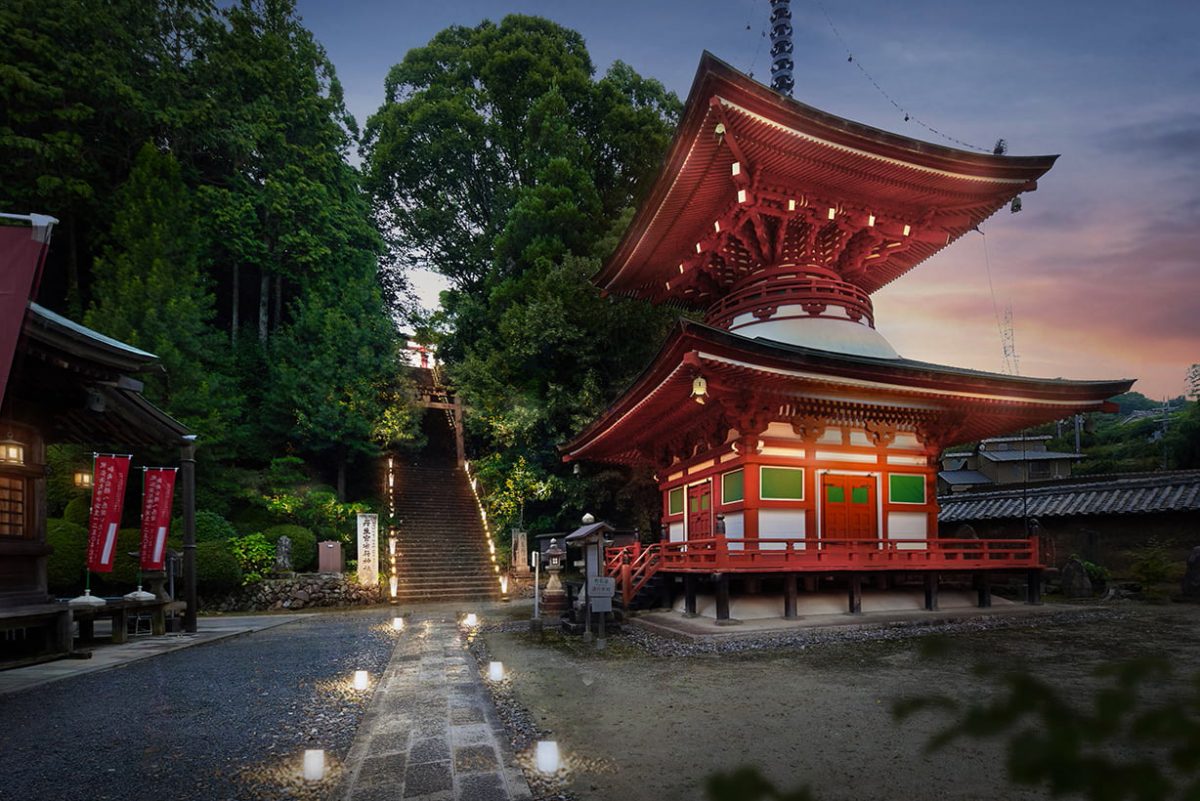
Jison-in marks the spiritual beginning of the climb. Nearby, pilgrims traditionally paid their respects at Niukanshofu Shrine before heading into the mountains. It is here that you begin following the chōishi—the distinctive five-tiered, stupa-shaped stone pillars that give the route its name.
There are 180 chōishi between Jison-in and Danjō Garan. They stand approximately one chō, or 109 metres, apart and are numbered down towards Kōyasan, creating a long countdown as you climb. More than 80% of the surviving markers were made between the late 12th and early 14th centuries, although earlier versions of the waymarkers were constructed from wood. Each one is both a navigational aid and a religious monument, so the route feels like a continuous pilgrimage rather than simply a path through the forest.

The first part of the ascent rises through the cultivated slopes above Kudoyama. This can be one of the warmer and more exposed sections of the day, particularly during summer, but the increasing height brings views back across the Kinokawa Valley. Gradually the orchards and lanes give way to thicker forest, where cedar and cypress trees close around the trail.
The walking settles into a rhythm of earthy paths, old stone surfaces and steadily changing gradients. You pass the Mount Amabiki junction before reaching Ropponsugi and Furu-toge Pass. Although the route is generally well marked, it is still a long mountain journey with several ascents and descents rather than one continuous climb.
One of the most atmospheric landmarks is Futatsu-torii, the pair of stone torii gates standing beside the 120th chōishi. According to tradition, Kūkai originally erected wooden gates here in the ninth century in honour of the local guardian deities. The present stone gates date from the 17th century. Pilgrims once stopped here to worship in the direction of Niutsuhime Shrine, and the surrounding protected forest helps the location retain a particularly peaceful atmosphere.

Beyond Futatsu-torii, the trail continues past Ogo-ike Pond and over Kasagi-toge. Long forested sections make this part of the route feel remote, despite being within reach of the railway running through the valleys below. The numbered stone pillars continue to appear beside the path, giving you regular confirmation that you remain on the ancient route.
At approximately 15 kilometres from Kudoyama Station you reach Yatate, the main opportunity for a proper stop. Toilets are available here, and Yatate Chaya is known for its grilled yakimochi rice cakes. However, walkers should still carry enough food and water for the entire route because rural businesses can close unexpectedly or operate limited hours.
The route beyond Yatate should not be underestimated. There are around seven kilometres remaining to Danjō Garan, including approximately 450 metres of additional ascent. Soon after leaving Yatate, you pass Kesakake-ishi, where legend says Kūkai hung his monk’s robe while resting. Traditionally, the ground beyond this point was considered part of Kōyasan’s sacred realm.

The forest climb continues past more stones and places connected with the pilgrimage. After so many hours among muted greens and browns, the sudden appearance of Daimon is genuinely dramatic. Standing just over 25 metres high, the immense vermilion gate is guarded by two imposing Niō figures. It is the main gateway into Kōyasan and feels like the emotional reward for the day’s climbing.
Although Daimon is the most striking arrival point, the traditional route continues for approximately another 700–800 metres to Danjō Garan. This sacred temple complex lies at the heart of Kōyasan and provides the most fitting finish to the complete Chōishi-michi. Its buildings include the vast vermilion Konpon Daitō pagoda, which rises above the surrounding temple precinct.
If time and energy allow, you can explore more of Kōyasan after finishing, but it is worth remembering that the walk itself may already have taken most of the day. Spending the night in a shukubō temple lodging allows you to experience the plateau at a quieter pace, perhaps with shōjin ryōri vegetarian food and morning prayers.
The Chōishi-michi is not technically difficult, but its length, cumulative ascent and limited services make it a serious day walk. What makes it special is how naturally the physical and historical journeys fit together. Each marker passed brings Kōyasan closer, and by the time you finally walk beneath Daimon, the sense of arrival feels thoroughly earned.
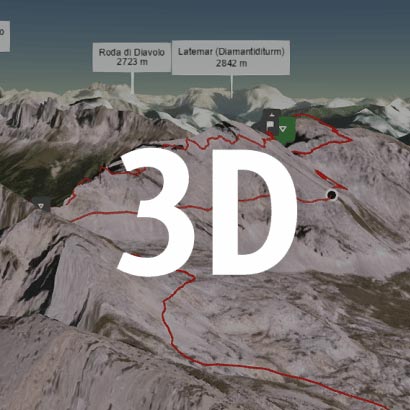
Walk this route yourself in 3D!
The video is a 3D walkthrough of this route; it’ll give you a great idea of what to expect before you set foot on the mountain.
I’ve created 3D videos of my walks and shared them with the Outdooractive and Welsh Man Walking communities.
Places to Stay (Trailhead & Finish)
Book ahead — Kōyasan temple lodgings are popular and Kudoyama has limited beds near the trailhead.
Start – Kudoyama / Jison-in area
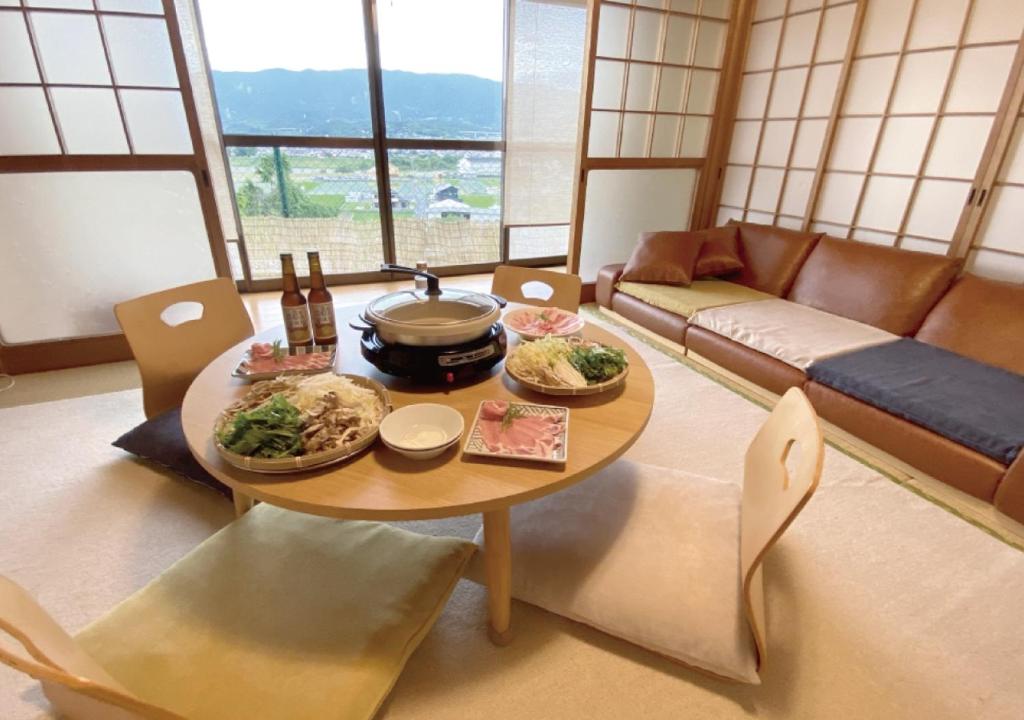
Ito-gun – House – Vacation STAY 31960v
Quiet countryside holiday home with kitchen, Wi-Fi and parking — an easy launch pad for an early start (rated ~9.2 “Superb”).
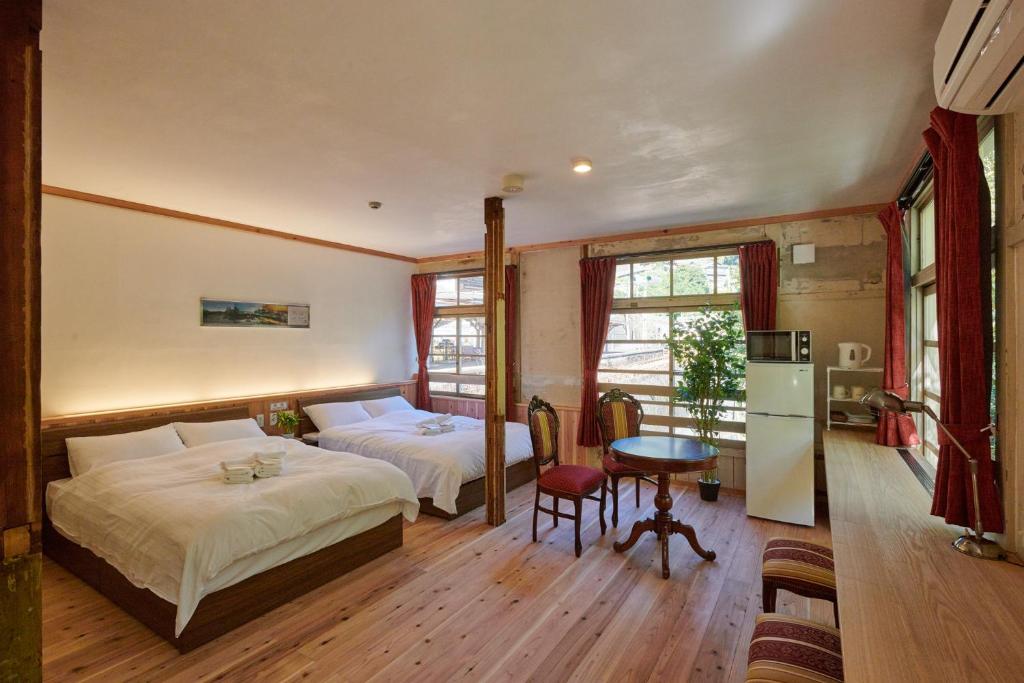
Nipponia Hotel Kōyasan Pilgrimage Railway (station inn)
Self-check-in stay by the station with kitchenette and hot tub — super convenient for dawn departures (rated ~8.5 “Very Good”).
Finish – Kōyasan (temple town)
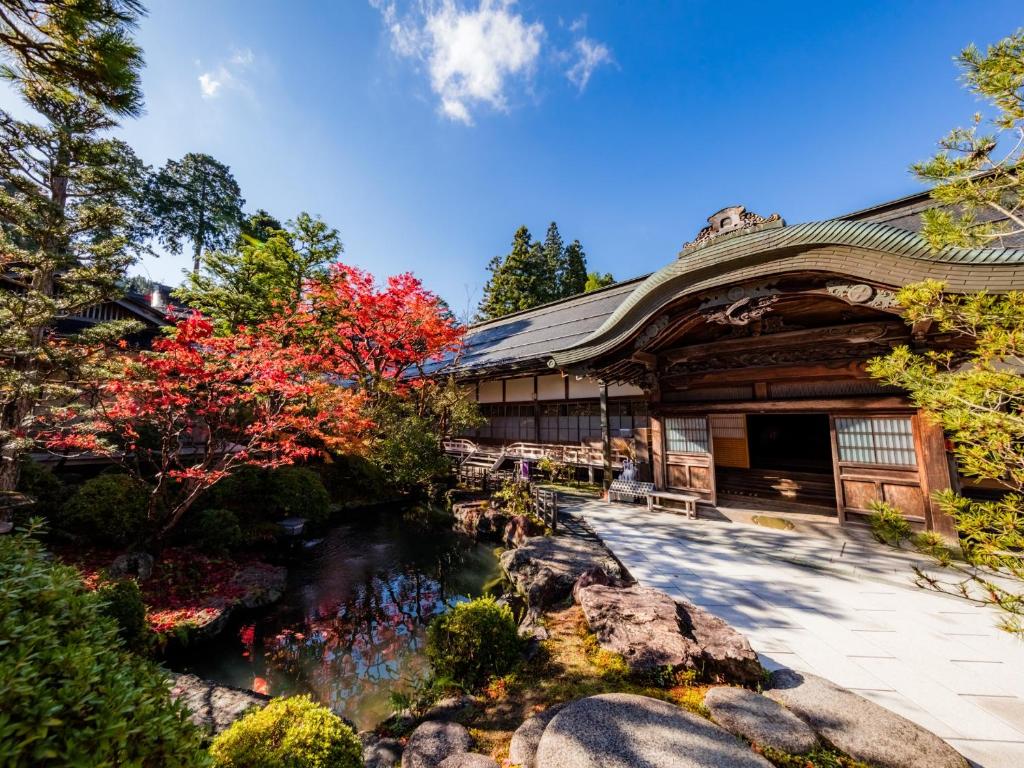
Atmospheric temple stay with morning prayers and goma fire ritual; tatami rooms and serene gardens.
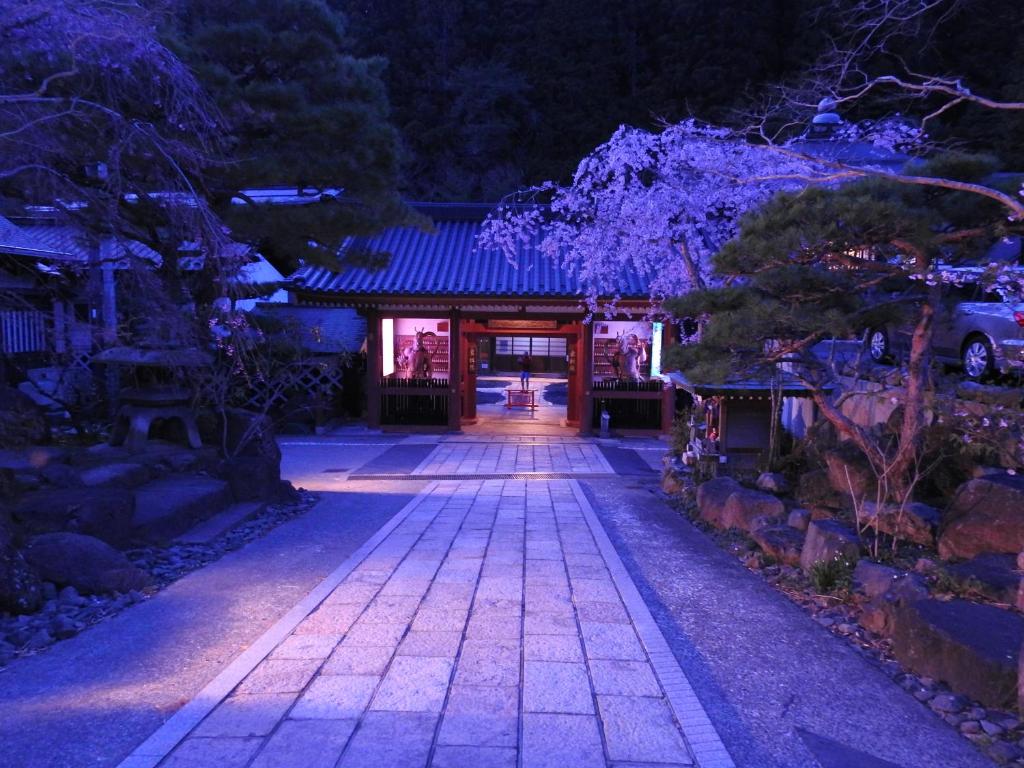
Classic shukubō near Okunoin approach; shōjin ryōri dinners and a calm, traditional setting.
For a wider choice of accommodation in the Kudoyama, Booking.com has a huge variety to browse through.
Practicalities –
Start and finish
The complete walk begins at Kudoyama Station on the Nankai Kōya Line. From the station, it is approximately 1.7 kilometres through Kudoyama to Jison-in, where the historic mountain pilgrimage begins. The most appropriate finish is Danjō Garan in central Kōyasan, approximately 21.5 kilometres from the station. You will pass beneath Daimon Gate at around 20.5 kilometres before continuing for another 700–800 metres to the temple complex.
Allow enough time
This is a substantial full-day walk with approximately 1,180 metres of ascent and 430 metres of descent. Official estimates vary from around eight hours, including brief temple visits, to between nine and eleven hours for the complete route. Fit walkers may finish more quickly, but an early start is strongly recommended. Allow additional time if you intend to explore Jison-in, Danjō Garan or other temples properly.
Getting to Kudoyama
Kudoyama is served by the Nankai Kōya Line. From Osaka-Namba, travel towards Hashimoto and change there if necessary for a train continuing towards Kudoyama and Gokurakubashi. Check the current timetable before travelling, particularly if you plan to start early, as not every train runs directly through to Kudoyama.
Returning from Kōyasan
This is a linear walk, so there is no need to return to Kudoyama on foot. From Danjō Garan, use one of the local buses running through Kōyasan to Kōyasan Station. The cable car descends from Kōyasan Station to Gokurakubashi, where Nankai trains continue towards Hashimoto and Osaka. Check the final bus, cable-car and train times in advance and leave a generous margin at the end of the walk.
Food and water
Purchase food and water before leaving Kudoyama. Yatate, approximately 15 kilometres into the route, is the principal refreshment point and has toilets. Yatate Chaya is known for its grilled yakimochi rice cakes, but its opening cannot be guaranteed, so do not depend on it for your essential supplies. Carry a full day’s food and at least two litres of water, increasing this in hot or humid conditions.
Toilets and facilities
Facilities are available at Kudoyama and around Jison-in, with additional toilets shown at selected points along the official route, including Yatate. They remain widely spaced, and there are long forest sections without facilities. Kōyasan has toilets, shops, restaurants and visitor facilities once you reach the plateau.
Navigation
The chōishi provide an extraordinary line of historic markers, but they should not be your only form of navigation. Carry the downloaded GPX route and an offline map on your phone or GPS device. Some junctions connect with other pilgrimage paths and railway stations, while fallen leaves or vegetation can occasionally obscure smaller paths. A portable battery pack is sensible on such a long day.
Terrain and footwear
The route combines paved lanes, woodland paths, exposed roots, earth, rock and old stone surfaces. Nothing is technically difficult, but the cumulative climbing and distance make it tiring. Stone and roots can become very slippery after rain, so walking boots or trail shoes with dependable grip are recommended. Walking poles can be useful on the longer climbs and descents.
Weather and seasons
Spring and autumn generally provide the most comfortable walking conditions. Summer can be extremely hot and humid on the lower slopes around Kudoyama, while the forest and Kōyasan plateau may feel considerably cooler. Winter can bring frost, ice and snow at higher elevations, as well as limited daylight. Carry waterproofs and an insulating layer even when conditions at Kudoyama appear warm and settled.
Shortening or abandoning the route
The Chōishi-michi crosses or approaches connecting paths leading towards stations such as Kami-Kosawa, but these are not simple roadside escape points. Reaching a railway station may involve an additional descent on a separate mountain path, and train services can be infrequent. Study the official map before setting out and do not assume that leaving the route midway will be quick or straightforward.
Mobile coverage and money
Mobile reception may be unreliable in the deeper forest sections. Download maps, travel information and accommodation details in advance. Carry some Japanese yen because small rural businesses, temples and vending facilities may not accept international cards.
Pilgrimage etiquette
The Chōishi-michi remains an active religious and pilgrimage route. Behave respectfully around temples, shrines, statues and the ancient stone markers. Do not climb on or touch the chōishi unnecessarily, keep noise down in sacred precincts and take all litter away with you.
Staying in Kōyasan
Finishing the walk with a night in Kōyasan is highly recommended. A shukubō temple stay may include shōjin ryōri vegetarian meals and the opportunity to attend morning prayers. Accommodation can become busy during spring, autumn, weekends and Japanese holidays, so reserve well in advance.
Kōyasan Choishi-michi FAQs
How long is the Kōyasan Chōishi-michi Trail?
How long does the walk take?
How difficult is the Chōishi-michi?
Where does the Chōishi-michi start and finish?
Is the route easy to follow?
Are food and water available along the route?
When is the best time to walk the Chōishi-michi?
How do I return after finishing in Kōyasan?
Can the Chōishi-michi be shortened or divided over two days?
Is the Chōishi-michi part of the Kumano Kodo?
What are the chōishi stone markers?
Can I stay overnight in Kōyasan?

Water-to-Go Named Best Water Bottle for Travel. Click www.watertogo.eu + 20% Discount Using – ‘WMW20’

AllTrails: Trail Guides & Maps for Hiking, Camping, and Running | AllTrails ‘Plus’ 30% OFF – Read my ‘Full Review‘ for more details.